
Bathroom fittings are the kind of thing you don’t really think about. You turn the tap, take a shower, hang a towel and move on with your day. They just… work. Until one day they don’t. A tap starts dripping. The shower pressure feels weak. That shiny chrome finish suddenly looks dull and patchy. That’s usually when they finally get attention.
The reality is, taps, showers, mixers, towel bars these things get used constantly. More than most parts of the house. They deal with water all day, steam hanging in the air, soap, shampoo, and cleaning sprays. Over time, all of that leaves a mark. That’s why Bathroom Fitting Maintenance isn’t something to overlook. If you ignore these fittings completely they wear out faster than they should, losing both performance and appearance long before their time.
The good news is that most damage doesn’t happen overnight. It builds up slowly. Quietly. And with a few basic habits, you can stop a lot of it before it turns into a real problem. Nothing fancy. Just common-sense care done consistently.
Why Maintenance Matters (Even When Everything Seems Fine)
Most people wait for something to break. A leak. How to Increase Water Pressure in a Tap? A handle that suddenly feels stiff or stuck. By that point, you’re already looking at repairs or replacing parts entirely.
Taking care of fittings early is cheaper and far less frustrating. It keeps rust and corrosion away, helps water flow properly, and stops finishes from fading or peeling. More than anything, it means things last longer and keep working the way they’re supposed to.
What Actually Wears Bathroom Fittings Down
A few things cause most of the problems. Hard water is a major culprit. Minerals gradually build up and turn into limescale. This clogs aerators, blocks spray holes, and leaves surfaces looking dull and tired. Then there’s humidity. Bathrooms tend to get damp, especially if ventilation isn’t good. Rust and mold also develop quickly when Bathroom Hardware Maintenance never dries out.
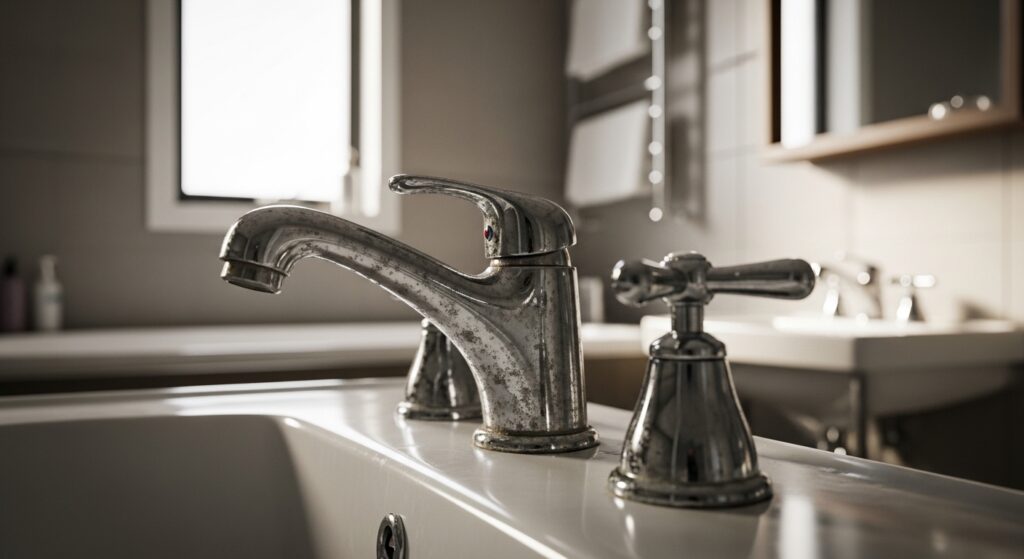
Cleaning products can also do damage. Strong chemicals, acids, bleach, rough scrubbers might make things look clean at first, but they quietly strip away protective layers. And then there’s everyday neglect. Forcing stiff handles. Ignoring small leaks. Going weeks without cleaning. None of it feels serious at the moment, but it adds up quicker than you’d expect.
Small Daily Habits That Actually Help
You don’t need a big routine. Honestly, small things done often matter more. Wiping taps and shower fittings with a dry cloth after use helps a lot. It stops water spots, soap residue and mineral marks from settling in and becoming harder to remove later.
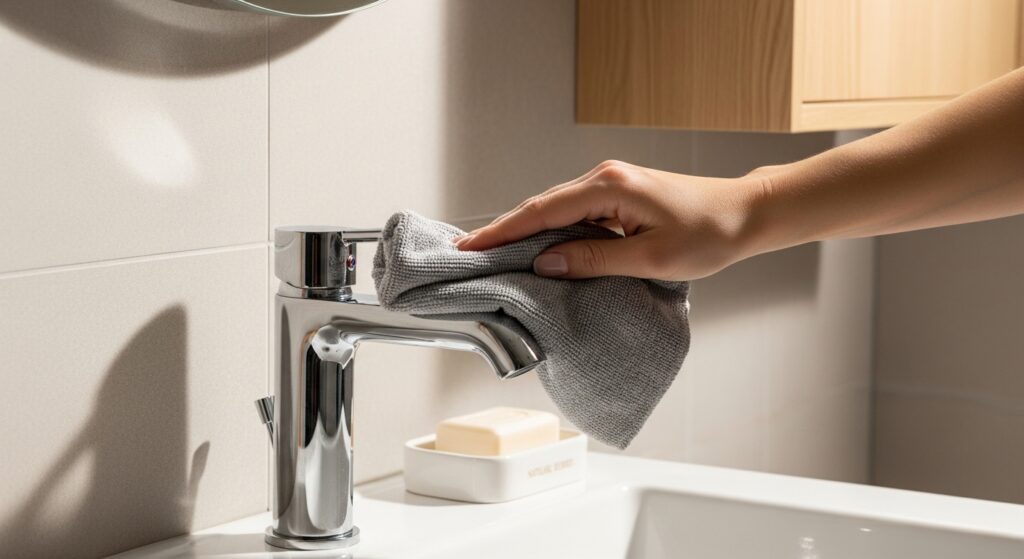
Try not to leave water sitting around fittings, especially on countertops. And use fixtures the way they’re meant to be used. Handles shouldn’t need force. Towel bars aren’t designed to carry heavy weight, no matter how sturdy they look.
Cleaning Without Wrecking Anything
Cleaning matters but how you clean matters more. Mild soap, warm water and a soft microfiber cloth are usually enough. That’s it. You don’t need harsh chemicals for everyday Bathroom Fixture Cleaning and using them regularly often causes more damage than dirt ever would.
Stay away from abrasive powders, steel wool, and strong acids. They scratch surfaces, dull finishes, and leave marks that don’t really go away. Proper Bathroom Fitting Maintenance means choosing gentle, non abrasive cleaners that protect the finish while keeping fittings looking clean and new for longer.
A simple routine works fine:
- Warm water with a bit of mild soap
- Wipe everything gently
- Rinse with clean water
- Dry it off so water marks don’t form
Five minutes. Big difference.
Handling Limescale and Buildup
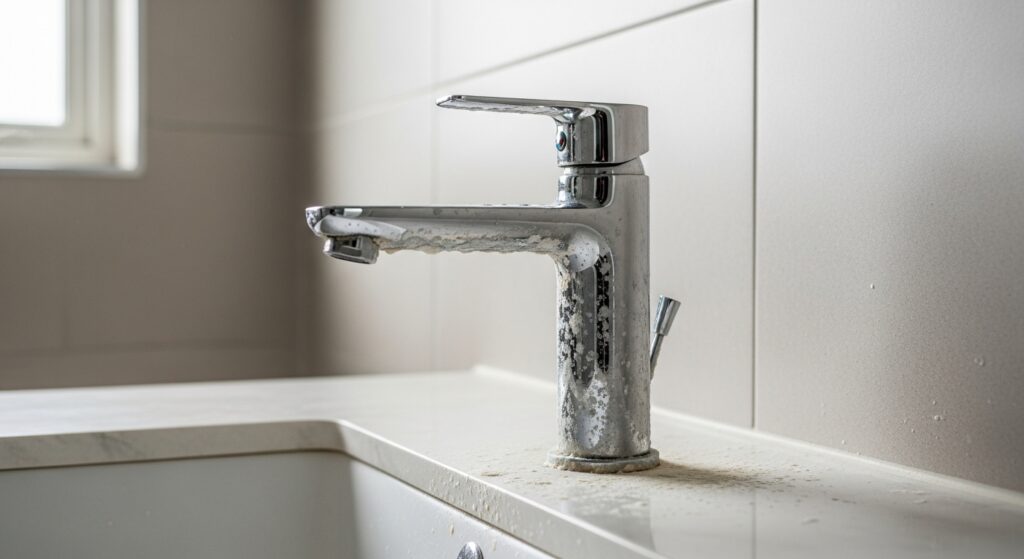
If you live in a hard water area, limescale is just part of life. But it’s manageable. Once a month, mix water and white vinegar. Soak a cloth, wrap it around the affected area, leave it for about 10–15 minutes, then rinse and dry. It loosens buildup without damaging the surface.
Showerheads and aerators need attention too. Unscrew them, soak them in warm water with a little vinegar, brush gently, rinse, and put them back. You’ll usually notice better water flow right away.
Different Fittings, Slightly Different Care
Not everything needs the same approach. Taps and mixers should be checked now and then for leaks. Fix drips early small problems rarely stay small.
Showers need regular nozzle cleaning and a quick look at hoses for cracks or blockages. Uneven spray usually means something’s building up inside. Bathroom Accessories Maintenance like towel racks and soap holders are easy to forget. Tighten loose screws, wipe off moisture, and keep mounting points clean to prevent rust.
Looking After Different Finishes
This is where a lot of people go wrong. Chrome usually does fine with mild soap and proper drying. Brass needs gentle cleaning and doesn’t like staying wet for long. Matte and black finishes are the most sensitive no scrubbing, ever. Just a damp cloth, then dry immediately. One wrong cleaner can permanently damage a finish, so when in doubt go gentle.
Ventilation Matters More Than You Think
Good airflow makes a bigger difference than most people realize. Bathrooms that stay humid all day cause fittings to corrode faster and invite mold. Use exhaust fans. Open windows when you can. Let the space dry out after showers. Less moisture means fittings last longer and the Bathroom Accessories Maintenance feels fresher overall.
Common Mistakes That Quietly Ruin Fittings
These habits cause problems over time:
- Using strong cleaners every day
- Scrubbing with rough pads
- Leaving cleaning products sitting on surfaces
- Ignoring small leaks
- Mixing cleaning chemicals
Avoiding just these can add years to your fittings. For long-lasting quality and well-crafted products, choosing a trusted Bathroom Accessories Manufacturer matters brands like Agmeco focus on durable finishes and thoughtful design that stand up to daily use.
What is the best way to clean bathroom fixtures?
The Best way to Clean Bathroom Fixtures is to keep it simple and gentle. Use warm water, a small amount of mild liquid soap, and a soft microfiber cloth to wipe taps, showers, and accessories. Avoid scrubbing, as rough pads and abrasive cleaners can damage the finish. After cleaning, always rinse with clean water and dry the fixtures to prevent water spots and mineral marks. For limescale buildup, use a mix of water and white vinegar occasionally, not daily. Regular light cleaning works better than harsh, aggressive methods and helps fixtures last longer.
Final Thoughts
Bathroom fittings are built to last, but they’re not indestructible. Daily exposure to water, steam, soap residue, and cleaning products slowly takes its toll. That’s why regular cleaning, gentle use and consistent Bathroom Fitting Maintenance make a real difference over time.
Spending just a few minutes each week wiping down taps, showers, mixers, and accessories helps prevent stains, dull finishes and early wear. It also reduces the need for harsh cleaning later which can damage surfaces. In the long run, this simple habit can save years of unnecessary wear and keep fittings looking and working like new.
And honestly, a clean, well-kept bathroom just feels better to use. It looks fresher, feels more comfortable and adds a sense of calm to your everyday routine every single day.
FAQs – Bathroom Fitting Maintenance
Q1. How often should bathroom fittings be cleaned?
Bathroom fittings should be lightly cleaned once or twice a week using mild soap and water. This prevents soap residue, water spots, and mineral buildup from settling in and becoming difficult to remove later.
Q2. What is the best way to clean bathroom fittings without damaging them?
The safest method is using warm water, mild soap and a soft microfiber cloth. Avoid harsh chemicals, abrasive pads, or acidic cleaners, as they can damage finishes and shorten the life of fittings.
Q3. How can I prevent limescale buildup on taps and showers?
In hard water areas, wipe fittings dry after use and do a monthly vinegar soak for affected areas. Showerheads and aerators can be soaked in warm water and vinegar to remove mineral deposits and restore water flow.
Q4. Why do bathroom taps start dripping over time?
Dripping taps are often caused by worn washers, cartridge issues, or limescale buildup. Fixing small leaks early helps prevent water wastage and avoids bigger repair costs later.
Q5. Does hard water affect bathroom fittings?
Yes. Hard water leaves behind mineral deposits that cause limescale, reduced water pressure and dull finishes. Regular cleaning and periodic descaling are essential in hard water regions.
Q6. Can strong cleaning products damage bathroom fittings?
Absolutely. Frequent use of bleach, acids, or abrasive cleaners can strip protective coatings, cause discoloration, and lead to corrosion. Gentle cleaners are always better for long-term maintenance.